Blog

Education
The Mathematics Behind Engineering
Engineering is often associated with structures, machines, materials and technology. But behind every engineering design is a mathematical framework that allows engineers to describe, analyse and predict how a system will behave. From calculating the forces in a bridge member to determining the stress in a structural element, mathematics provides the tools engineers use to transform physical problems into analytical models.
10 September 2026 · 6 min
Education
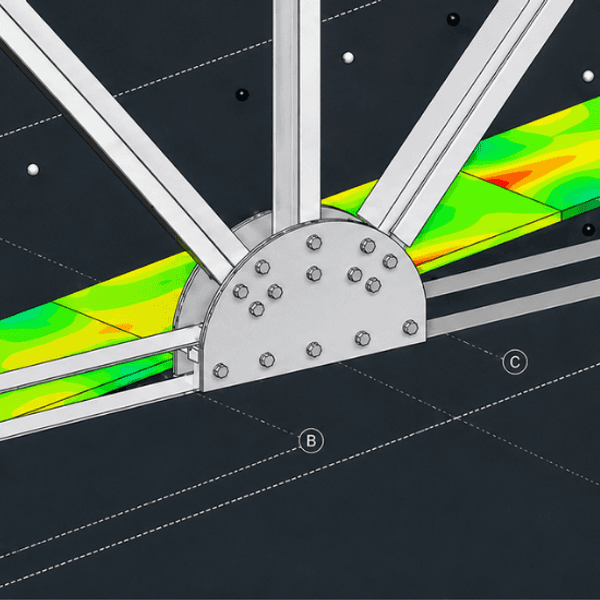
What Is a Truss and How Does It Work?
A truss is one of the most efficient structural systems used to carry loads across a span. At first glance, a truss appears to be simply a collection of straight members connected together. However, its triangular geometry allows loads to be transferred primarily through axial forces — tension and compression — rather than bending.
3 September 2026 · 7 min
Consultants
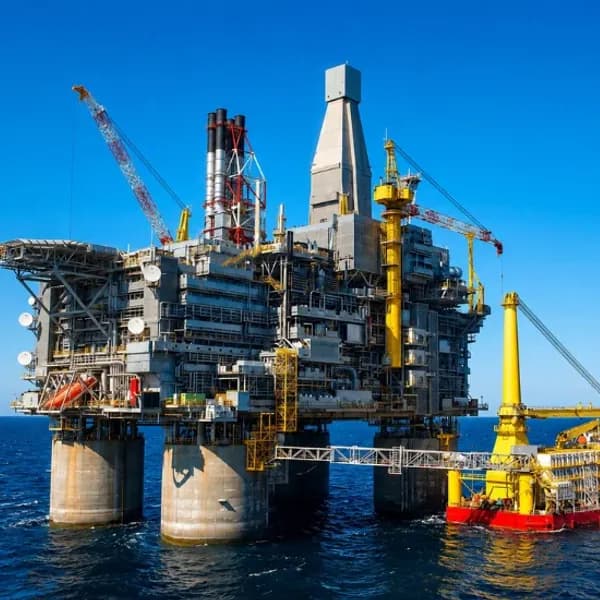
How Offshore Oil Platforms Are Designed?
Offshore oil platforms are some of the most complex structures ever engineered. Standing hundreds of metres above the seabed and supporting thousands of tonnes of equipment, these facilities must operate continuously in an environment dominated by waves, wind, currents, corrosion, and extreme weather.
27 August 2026 · 12 min

Education
Inside the Design of an Aircraft Wing
An aircraft wing may look simple from the outside, but it is one of the most carefully engineered structures in aviation. It must generate enough lift to keep the aircraft airborne while remaining lightweight, stiff, strong, and capable of surviving millions of loading cycles. From aerodynamic shape to structural analysis, materials, fuel storage, and manufacturing, wing design brings together several branches of engineering.
24 August 2026 · 7 min
Education
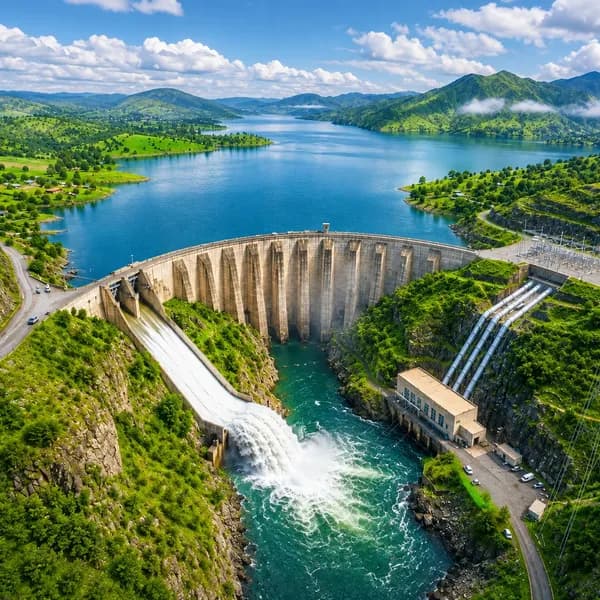
How Is a Hydroelectric Dam Designed? | A Civil & Structural Engineering Perspective
A hydroelectric dam is more than a massive concrete structure, it is a carefully engineered system designed to safely manage enormous water forces while supporting reliable power generation. From the initial site investigation to structural stability checks and long-term monitoring, the design of a hydroelectric dam requires close coordination between civil, structural, geotechnical, hydraulic, and mechanical engineering disciplines.
20 August 2026 · 7 min
Education
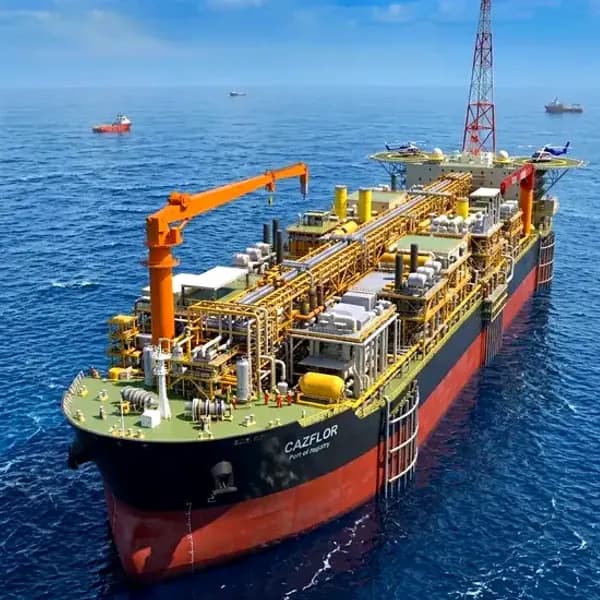
What Is an FPSO and How Does It Work? A Complete Guide
Floating Production, Storage and Offloading vessels, commonly known as FPSOs, are one of the most important technologies used in modern offshore oil and gas production. As oil and gas fields move farther offshore and into deeper waters, traditional fixed offshore platforms can become technically challenging and expensive. FPSOs provide a flexible alternative by combining several major offshore functions into one floating facility. But what exactly is an FPSO, how does it work, and why is it so widely used in offshore engineering?
17 August 2026 · 8 min
Education
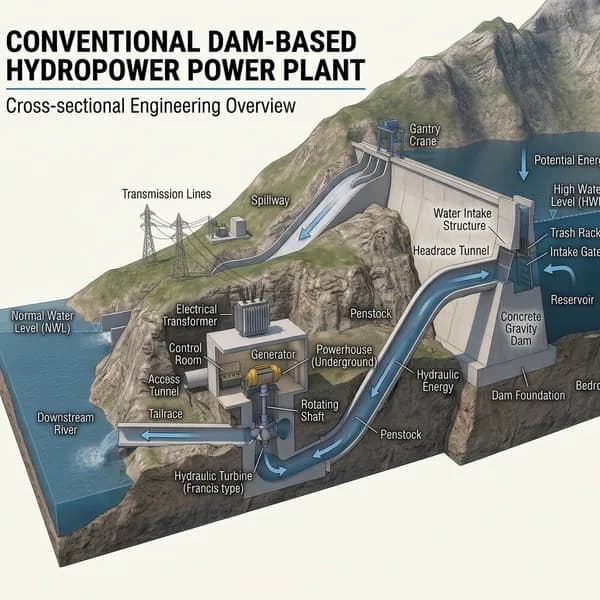
How Does a Hydropower Plant Turn Water Into Electricity?
Water is one of the oldest and most reliable sources of renewable energy. But how does flowing water from a river or reservoir actually become electricity that powers homes, industries, and cities? The answer lies in a carefully engineered system that converts the potential and kinetic energy of water into mechanical energy, and then into electrical energy.
11 August 2026 · 4 min
Education
Introduction to Eurocodes: A Beginner's Guide to European Structural Design Standards Introduction
Eurocodes are a series of European Standards (EN) developed by the European Committee for Standardization (CEN) to provide common structural design rules across Europe. They establish harmonized methods for analysing and designing buildings, bridges, towers, industrial facilities, retaining structures, and other civil engineering works. The standards are intended to ensure that structures achieve adequate levels of safety, serviceability, durability, and reliability throughout their design life.
5 August 2026 · 6 min

Consultants
Cable-Stayed Bridge Design: Principles, Components, Advantages, and Modern Engineering Applications
Cable-stayed bridges represent one of the greatest achievements in modern structural engineering. Their elegant appearance, efficient structural behavior, and ability to span long distances have made them a preferred solution for crossing rivers, estuaries, deep valleys, and busy transportation corridors around the world.
29 July 2026 · 9 min
Consultants
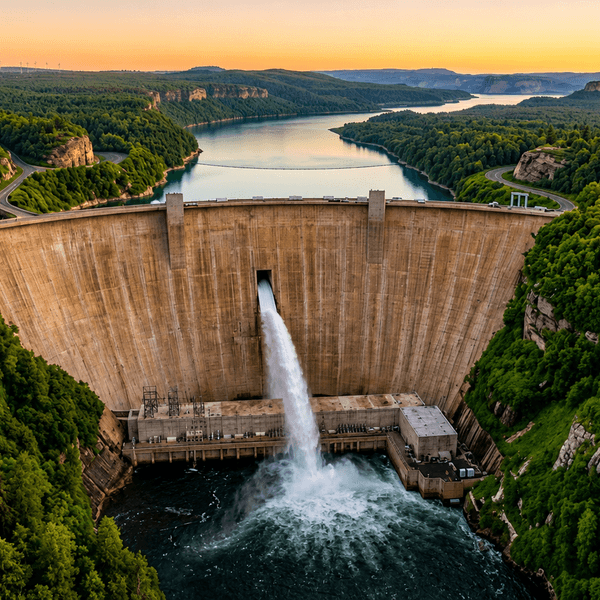
Types of Dams and Their Applications
Dams are among the most significant civil engineering structures, serving a vital role in water resource management, power generation, irrigation, flood control, and water supply. Throughout history, dams have enabled communities to harness natural water resources, supporting economic development and improving quality of life. The selection of a dam type depends on several engineering factors, including site topography, geological conditions, available construction materials, hydrological characteristics, project budget, and intended purpose. Understanding the different types of dams and their applications is essential for engineers, project developers, and infrastructure planners.
22 July 2026 · 5 min
Consultants
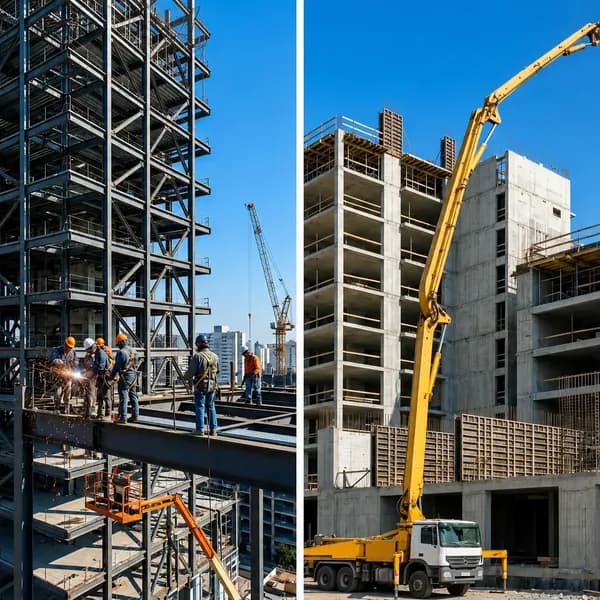
Reinforced Concrete vs Steel Structures
Reinforced Concrete vs Steel Structures: Which Is the Better Choice? Choosing between reinforced concrete and steel is one of the most important decisions in structural engineering. Each material offers distinct advantages in terms of strength, durability, construction speed, cost, fire resistance, and sustainability. This article compares reinforced concrete and steel structures, highlighting their key differences, benefits, limitations, and typical applications to help engineers, designers, and project owners select the most suitable structural system for their projects.
3 July 2026 · 8 min

Exams
Complete Guide to the Canadian Professional Engineering Exam – 2026
Becoming a licensed Professional Engineer (P.Eng.) in Canada is a significant milestone for engineering graduates and internationally trained engineers. One of the key requirements for obtaining a P.Eng. licence is passing the National Professional Practice Examination (NPPE).
25 June 2026 · 4 min

Consultants
Why Engineering Consulting Services Are Essential for Successful Infrastructure Projects
Modern infrastructure projects are becoming increasingly complex. From commercial developments and industrial facilities to transportation networks and utility systems, successful project delivery requires technical expertise, strategic planning, and effective project management. This is where engineering consulting services play a critical role. Engineering consultants provide specialized knowledge and practical solutions that help organizations reduce risks, optimize costs, ensure compliance, and achieve project objectives efficiently. Whether planning a new development or upgrading existing infrastructure, partnering with an experienced engineering consulting firm can significantly improve project outcomes.
10 June 2026 · 4 min